Lima, known as the “City of Kings,” was founded on January 18, 1535, by conquistador Francisco Pizarro. According to historian David Pino, its name comes from the coincidence between the date on which the emissaries left Pachacamac in search of the city that would become the capital of the Viceroyalty of Peru and the celebration of the Bajada de Reyes. During the colonial era, Lima was the capital of the Viceroyalty of Peru and the largest and most influential city in South America; after independence, it became the capital of the Republic of Peru.
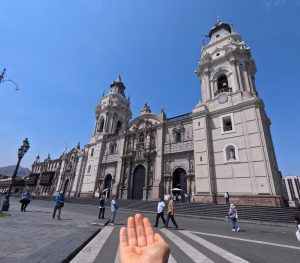
Today, Lima is a vibrant metropolis with more than 9 million inhabitants, welcoming people from all over the world, making it a multicultural, dynamic, and cosmopolitan city, and one of the most important and visited destinations in Latin America. Its history, culture, and modernity coexist in perfect harmony, offering visitors a unique urban experience.
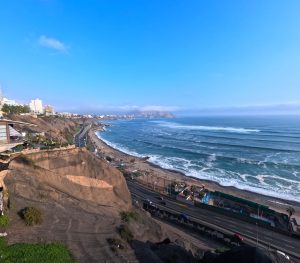
Lima is also one of the most privileged capitals in South America thanks to its impressive view of the Pacific Ocean. Along the iconic Costa Verde, you can enjoy spectacular landscapes, unforgettable sunsets, and a multitude of outdoor experiences. Modern, historic, and always on the move, Lima never stops: there is always something new to discover, live, and experience, from its cultural heritage and renowned cuisine to its nightlife and natural spaces facing the sea.
Main tourist attractions
While Lima is recognized as the gastronomic capital of Latin America, experiencing and tasting delicious dishes is not the only thing you will get in this incredible city, as its imposing colonial architecture, cultural legacy, diverse landscape and people will surprise you. If you are a lover of good food, history and adventure, the Peruvian capital has to be your next destination.
Historic center of Lima
The historic center of Lima was declared Cultural Heritage of Humanity by UNESCO, due to its exceptional nature, integrity and authenticity of its architectural, aesthetic, historical and urban values, which can be seen in its magnificent
colonial and republican buildings, streets and balconies. Among the main places to visit are: the Plaza de Armas, the Cathedral of Lima, the convent of San Francisco, the convent of Santo Domingo, the Archbishop’s Palace, the Plaza San Martin, among others. Another experience that you can not miss, and it is also free, is the changing of the guard that takes place in the Government Palace.
Museums and archaeological monuments:
Each archaeological monument and museum holds a sample of the cultural legacy of our ancestors, collections of great artistic, cultural and historical value, as well as the legacy that has been built over time. Some museums that are not to be missed are: the National Museum of Anthropology and Archaeology, the Larco Museum, the Museum of Art of Lima (MALI), and the Museum of Gold of Peru and Weapons of the World. In addition, you can not miss the impressive archaeological monuments such as Huaca Pucllana, Huaca Huallamarca, Mateo Salado, and the Archaeological Sanctuary of Pachacamac.
Miraflores
The tourist district par excellence. Miraflores offers a number of activities, including cultural, gastronomic, and adventure. You can ride a bike through its streets and the green coast, or even go paragliding. Get ready to visit Larcomar, Parque del Amor, Parque Kennedy, the Indian Market, Huaca Pucllana, different museums and the beaches of the green coast.
The hotels with the highest quality standards are located in Miraflores and San Isidro. From which it is possible to move to different parts of the city.
San Isidro
It stands out for being the financial center of Lima, since we find the headquarters of the main banks, insurance companies, and national and transnational companies. But it is also one of the most modern districts of Peru. Among the main tourist attractions are the El Olivar Forest, the Huaca Huallamarca and the Municipal and Cultural Palace.
Barranco and Chorrillos
Be enchanted by the Bohemian district of Barranco, where you can enjoy a tour of the Municipal Park, Municipal Library, Bridge of Sighs, Plazuela Chabuca Granda, Mirador Recavarren, among other places. Barranco is also known for its active nightlife, with its charming bars and peñas. While Chorrillos stands out for its traditional fishing customs, highlighting the fishing pier of Chorrillos, its various beaches that it shares with neighboring Barranco, which are ideal for surfing, and the well-known restaurant El Salto del Fraile.
Monumental Callao
Meet the emblematic heritage area of the first port of Peru and its historic streets. Among the main places you can visit are; the Real Felipe, Plaza Grau, Plaza Matriz, Plaza Galvez and the old Ronald building, places that will bring us closer to its art, music, gastronomy, history, urban art and its living culture. In addition, Callao has other impressive places such as Chucuito, the Callao Naval Museum, La Punta Beach, the Abtao Submarine Museum, and the Palomino and San Lorenzo Islands.
Pachacamac
Recognized as the first tourist district of Peru. It is a place with a lot of history, where the following cultures developed: Lima, Chancay, Ichma, Huari and Chincha. This district invites you to live cultural, gastronomic and adventure experiences. Its main tourist attraction is the Archaeological Sanctuary of Pachacamac, but we also find the Lomas de Lucumo, Cardal, the Pisco Museum, the Plaza de Armas of Pachacamac and the Hacienda Mamacona, where you can enjoy delicious typical dishes and the Peruvian Paso horse show.
Ancón
It is a district located north of Lima. It was a traditional seaside resort during the nineteenth century and currently retains elegant buildings of that time and the imposing Yacht Club. Among the tourist attractions are: the Ancon Museum, Miramar Beach, San Francisco Beach, Isla Grande, the Ancon Reserved Zone, and the Necropolis archaeological complex.
Other short routes
If you want to venture a little more, you can take short routes to other provinces near the city of Lima and live unique experiences in Antioquia, Lunahuaná, Azpitia, Barranca, Canta, Churín and Huaral. Here you can connect with nature, go trekking, rafting, horse ridings, among other outdoor activities.